
Choosing the best power washing company isn’t really about chasing the highest-pressure machine. It’s more about picking the folks who get how different surfaces behave, who use the correct cleaning routines, and who take care of your property the whole time, not just when things look shiny for a moment.
A lot of homeowners think more pressure means better results, but that’s kind of a shortcut. In practice, seasoned technicians know that real cleaning comes from the right mix of water flow and cleaning agents, plus solid prep work and surface-specific tactics.
What Is Pressure Washing, and Why Is It Often Misunderstood?
Pressure washing uses pressurized water to remove dirt, algae, mold, and stains from exterior surfaces. However, many people think it’s simply a matter of spraying everything with as much force as possible.
That’s where problems begin.
Different materials respond differently to cleaning. Concrete can typically handle more pressure. Roof shingles, painted surfaces, and vinyl siding cannot. Using the wrong method may cause permanent damage that costs far more than the cleaning itself.
The companies that deliver lasting results understand that cleaning isn’t one-size-fits-all.
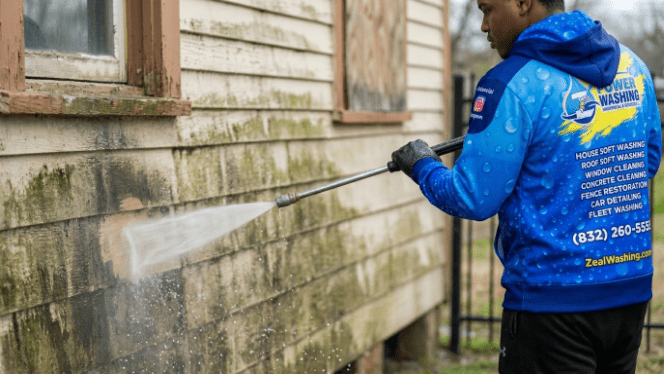
What Do Professionals Use to Soft Wash a House?
One of the biggest differences between amateurs and professionals lies in understanding the science behind cleaning.
Why Does Water Volume Matter More Than Pressure?
Many amateurs focus on PSI, or pounds per square inch. They believe stronger pressure means better cleaning. In reality, experienced crews often prioritize GPM, or gallons per minute. Higher water volume allows contaminants to be rinsed away efficiently without relying on excessive force.
Commercial systems commonly operate with significantly higher water flow rates while maintaining controlled pressure levels. This approach reduces the risk of damaging wood, siding, and roofing materials.
In other words, effective cleaning isn’t about blasting surfaces. It’s about using the right amount of force for the job.
Why Are Cleaning Solutions So Important?
Organic growth needs more than just water; it kind of won’t cut it by itself.
If you notice dark, black streaks on a roof, it is often linked to algae, like Gloeocapsa magma. Mold and lichen, however, can behave a little differently, and they may need other treatment approaches, not the same exact routine every time.
In many cases, professional house washing uses biodegradable cleaning solutions; these are made to go after the organisms right at the source. So instead of only lifting the surface blemishes for a short while, the treatment works deeper and helps stop the living cause of the staining.
Because of that, the surfaces can remain in better shape for a longer time; sometimes you even forget they were there in the first place.
What Happens Before the Cleaning Starts?
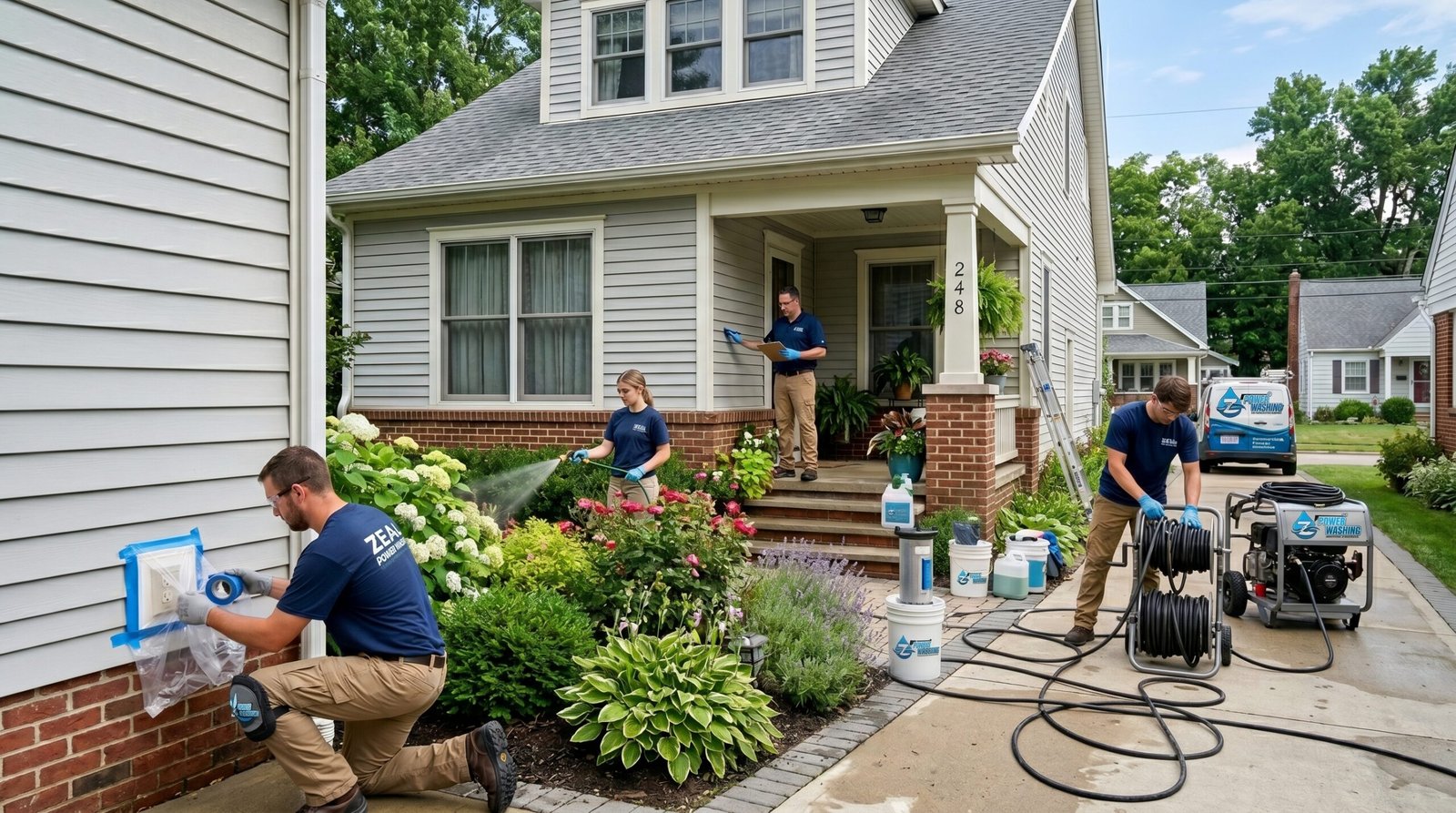
The actual washing process is only part of the job. Preparation often reveals the difference between experience and inexperience.
Before beginning work, many professional crews inspect the property and take steps to protect vulnerable areas.
This may include:
- Covering or protecting electrical fixtures
- Safeguarding security equipment
- Wetting surrounding plants and grass
- Identifying delicate building materials
- Planning runoff management
These steps aren’t always visible to homeowners, yet they play an important role in reducing unnecessary risks. Older properties especially benefit from this approach.
Weathered wood, aging paint, and deteriorating mortar may require adjustments to both cleaning pressure and technique.
How Do Professionals Compare to Weekend Amateurs?
The gap between professional standards and DIY efforts often extends far beyond equipment.
| Operational Marker | Weekend Amateur | Professional Standard |
| Equipment | Small consumer-grade machine | Industrial systems with adjustable settings |
| Cleaning Method | High-pressure blasting | Surface-specific cleaning techniques |
| Plant Protection | Often overlooked | Pre-wetting and post-rinsing procedures |
| Insurance Coverage | Limited or unavailable | Commercial liability and workers’ compensation |
| Surface Assessment | Rarely performed | Inspection before cleaning begins |
| Results | Short-term improvement | Longer-lasting cleanliness through targeted treatment |
The goal isn’t simply to make surfaces look cleaner for a few weeks. The goal is to clean effectively while preserving the integrity of the property.
Why Do Insurance and Industry Standards Matter?
Most homeowners do not really think about insurance until something goes wrong, and then suddenly it feels urgent, almost too late.
A trustworthy contractor should be comfortable enough to show proof of the right insurance coverage before any work actually starts. That way it helps protect you as the homeowner, and it also protects the crew doing the service, because they’re not just “covered” in theory.
And yes, industry guidelines matter just as much.
For example, groups like the Asphalt Roofing Manufacturers Association often point toward low-pressure cleaning practices for asphalt roofing systems. If someone uses too much force, it can mar the roofing surface or loosen components, which may shorten the roof’s usable lifespan.
When you understand those standards, it usually shows a certain mindset, like doing the job properly, not rushing through it, or treating it as a quick job.
How Can Homeowners Identify a Trustworthy Company?
Trust is built through consistency and transparency.
One common concern involves unexpected charges that appear after work has already started. Clear estimates help eliminate confusion. Homeowners should understand what services are included and whether any additional costs could apply.
Equally important is the initial assessment.
Every property has unique characteristics. Paint condition, wood age, existing damage, and previous repairs should all influence the cleaning plan. Careful evaluation demonstrates attention to detail and respect for the property.
Should You Power Wash Your Home Yourself?
DIY projects can certainly be rewarding.
However, exterior cleaning carries risks that many homeowners underestimate.
Incorrect pressure settings can:
- Damage siding
- Splinter wooden surfaces
- Strip paint prematurely
- Harm landscaping
- Force water into unwanted areas
Even selecting the right nozzle and understanding power washer accessories requires some knowledge.
For straightforward tasks, homeowners may feel comfortable handling smaller projects. Larger jobs involving roofs, delicate materials, or extensive staining often benefit from professional power washing services.
What Should You Look for When Choosing a Company?
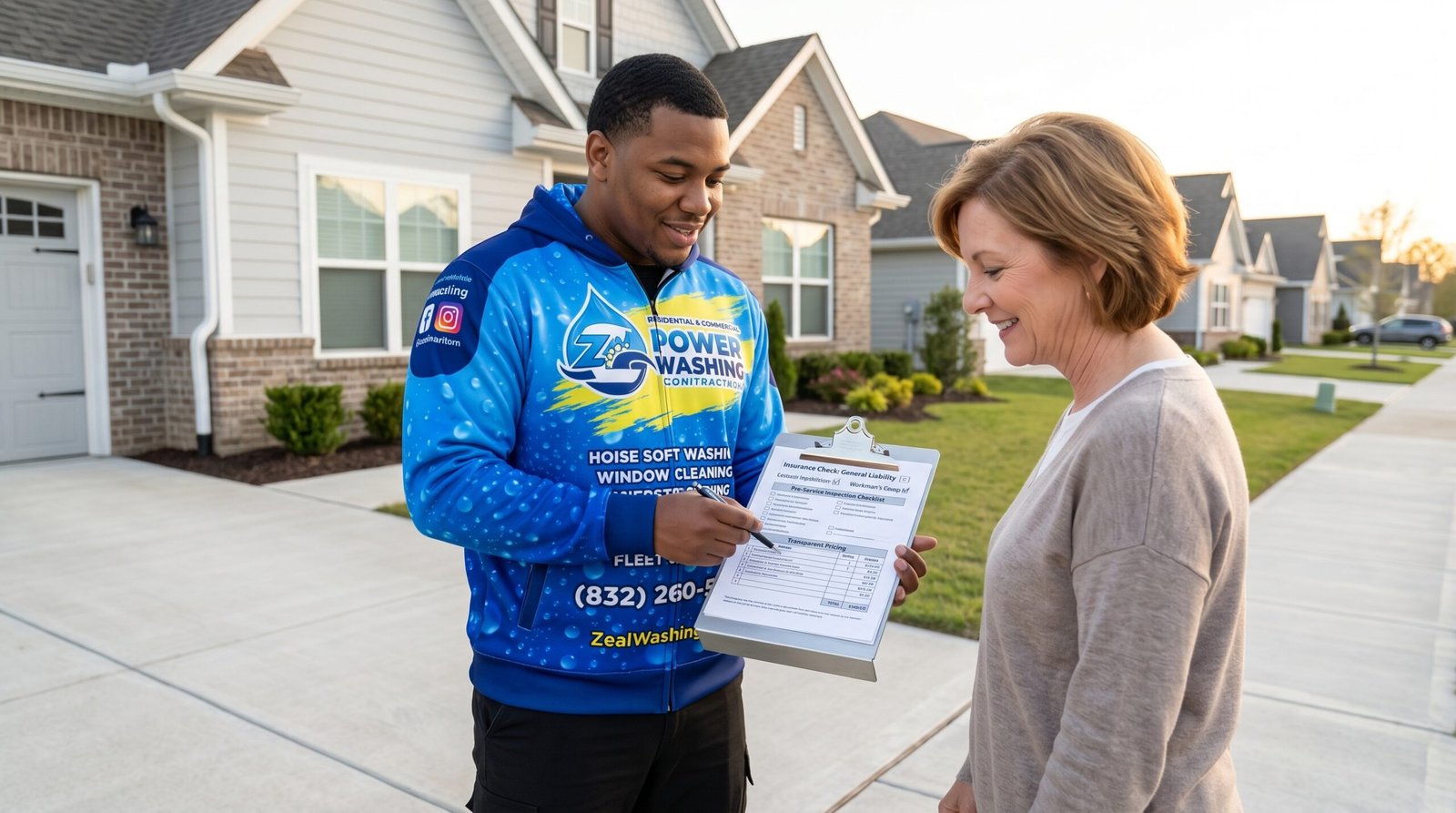
Price matters, but it shouldn’t be the only consideration.
Instead, ask questions such as:
- Do they assess surfaces before cleaning?
- Are they insured?
- Do they explain their cleaning methods?
- How do they protect landscaping?
- Will they provide a clear estimate upfront?
The answers often reveal more about service quality than the quote itself. At the end of the day, the right company doesn’t rely on aggressive pressure to prove its value. It focuses on protecting the property while delivering results that last.
Speaking of that, Zeal Power Washing follows the same philosophy. Their team focuses on tailored cleaning solutions, proper preparation, and techniques designed to protect siding, roofs, concrete, and landscaping while restoring curb appeal. Whether the job involves residential or commercial exteriors, they emphasize quality workmanship rather than relying on excessive pressure.
If you’re looking for dependable exterior cleaning backed by experience and attention to detail, visit the Zeal Power Washing website to learn more about their services or request a personalized estimate.
FAQs
What is pressure washing?
Pressure washing is basically when you use pressurized water; it sort of blasts away dirt and grime. Also things like mold, algae, and stubborn stains from outside places such as driveways, patios, and even siding.
What do professionals use to soft wash a house?
Professionals, when they need to soft wash a house, usually don’t just crank pressure. They tend to run low-pressure gear with particular cleaning mixtures meant for more delicate areas, like roofs and siding.
How do you power wash a house safely?
For power washing a house safely, you should start with the right pressure level, pick the proper nozzle, protect nearby plants and windows, and understand what surface you’re working on. Because some stuff hates high force. Not everything takes it well.
What PSI pressure washer do I need?
It depends on the material. Concrete can handle more force, but softer surfaces need a much lower setting. So more PSI isn’t automatically better, even if it sounds like it should be.
How do I use a power washer?
Begin with the smallest effective setting, test a tiny spot first, and follow what the manufacturer says for both the machine and the cleaning products.

Trey is the owner of Zeal Power Washing, a Houston-based exterior cleaning company specializing in residential and commercial services. With over 8 years of experience, he focuses on pressure washing, concrete cleaning, window cleaning, and surface restoration.
He is committed to delivering reliable, high-quality results while helping property owners maintain and protect their investments.